1. Safety check
Before sorting begins, the crew checks for hazards such as sharp objects, pests, mold and unstable piles. Protective gear is chosen to match.
Seneca, SC · Oconee County
Is it time to ask for hoarding help in Seneca, SC? A cleanup team can sort with the resident, protect keepsakes, remove trash and pest damage, and clean the home. Call (877) 812-4220 to ask questions.
If anyone is in danger, call 911 first. For a suicide crisis, call or text 988.
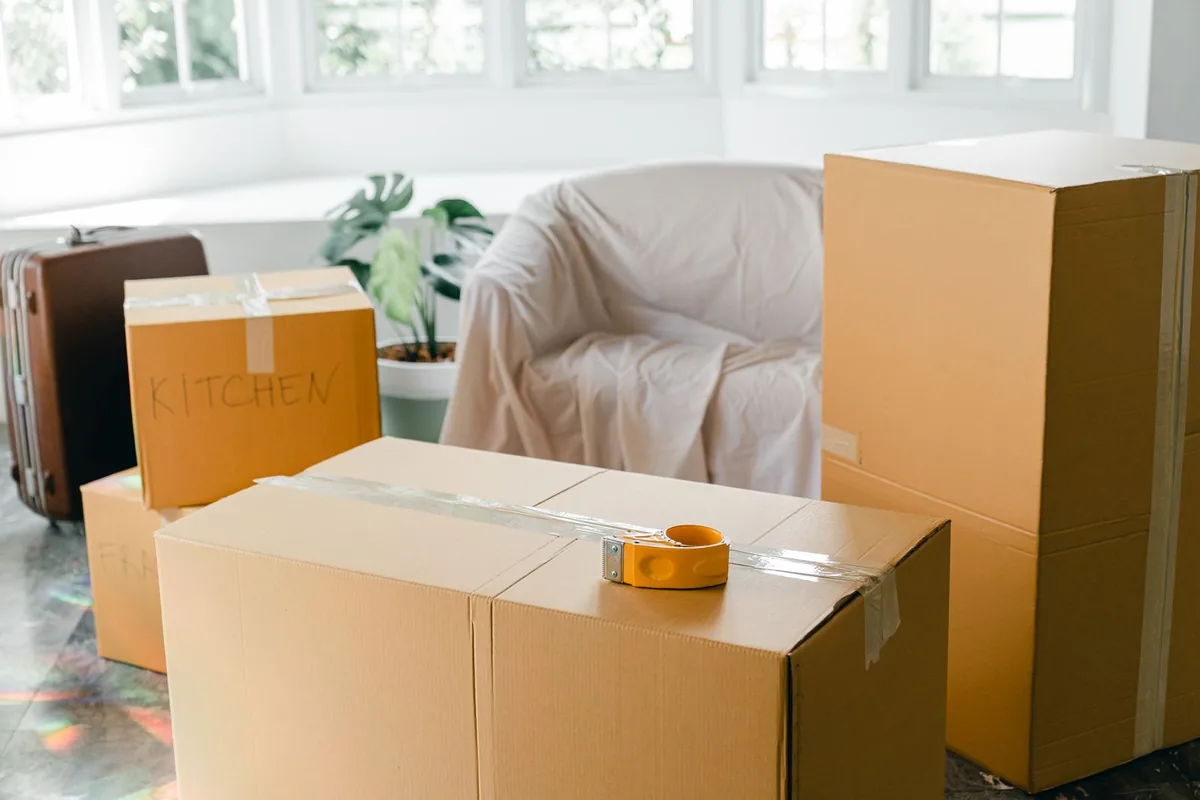
Cleaning a hoarder's home covers more than moving boxes. It includes protecting documents and keepsakes, removing contaminated materials, disinfecting with EPA-registered products and planning for repairs afterward.
Property owners, landlords, adult children and neighbors in Oconee County can get safe, respectful hoarding cleaning for homes in Seneca that have become hard to use. Call Seneca Biohazard Cleanup Help to talk over your options.
Many homes in Seneca, about 47%, date from before 1980. Older floors and trim soak up moisture and odor, so the team checks them closely. About 49% of households in Seneca rent, so many hoarding cleanups here are driven by a lease, an inspection or a landlord deadline.
The work often covers:
Before sorting begins, the crew checks for hazards such as sharp objects, pests, mold and unstable piles. Protective gear is chosen to match.
A team member checks exits, stairs, utilities, pests and hazards. Findings are shared in plain words, without labels.
The team works from the highest-risk areas outward. Each cleared space is cleaned before moving on.
A final look confirms that exits are open and key rooms are usable. Notes about repairs or pest control are passed to the owner.
Hoarding cleanup in Seneca, SC typically costs $500 to $25,000, depending on the size of the affected area and the materials involved.
Deep cleaning, disinfecting and odor treatment add labor beyond sorting and removal. Kitchens and bathrooms usually take the longest to bring back to a clean state.
| Type of job | Typical range |
|---|---|
| Level 3 | $2,000 - $5,000 |
| Level 5, severe | $10,000 - $25,000+ |
| Most homes, per square foot | $1 - $2 per square foot |
| Level 4 | $5,000 - $15,000 |
Estimates only, not a quote. Sources: Dropcurb, Lifecycle Transitions. Price drivers include level of accumulation, home size, whether exits and rooms are blocked, pests or animal waste. Call (877) 812-4220 to talk through the job.
Yes. The resident decides what stays, what is donated and what is removed. Valuables, documents, photos and medicine are set aside first, and nothing leaves the home without agreement.
Hoarding disorder is a recognized mental health condition. Whether it counts as a disability for housing or work depends on the situation and the law. A tenant rights group, a housing agency or an attorney can answer for a specific case.
Yes. A cleanup team can sort, clear and clean a home once the resident has moved, entered care or died. The family can set rules for photos, papers and keepsakes, and the work moves at the family's pace.
Hoarding cleanup is the safe clearing and cleaning of a home that has too many belongings to use as intended. A cleanup team opens exits, sorts items with the resident, hauls away what is released and cleans and disinfects. It is done at the resident's pace.
Most often the resident or the property owner pays, and family members sometimes share the cost. In a rental, the lease and local law decide between landlord and tenant. Some local aging services or housing agencies help in some places, so it is worth asking.
Small habits, such as one clear surface a week, help. Ongoing support from a doctor, counselor or local group can make progress last. The team can talk through simple upkeep ideas at the end of the job.
Ask about sorting, hauling, cleaning and a pace that fits the resident.
Call (877) 812-4220